
Fight week is synonymous with chaos, adrenaline, and a mad scramble to get everything in place before the big night. For fighters, media, and the production crew, open workouts and face offs are cornerstone events that build hype and offer fans a glimpse behind the curtain. But amid all the weigh-in theatrics, glaring cameras, and fan frenzy, one crucial element often gets shortchanged: recovery.
Today, let’s break down the fight week calendar challenges, especially focusing on weight cut dehydration, fragmented sleep, rehydration protocols, and the all-too-often overlooked circadian disruptions caused by time zone shifts. We’ll also cover how batch lab reports and Certificates of Analysis (COA) can lend transparency and trust to supplement use during these intense training camps.
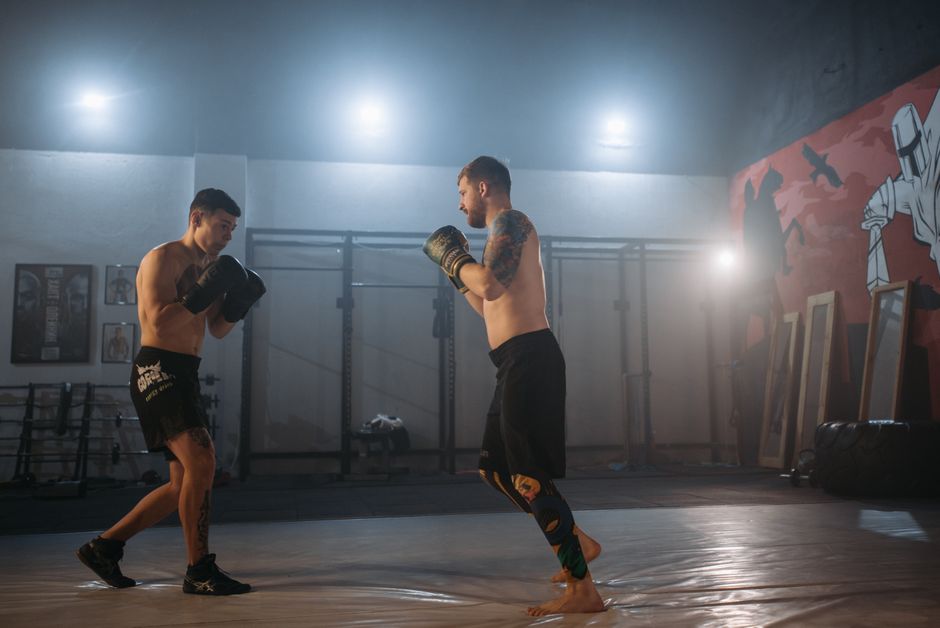
The Fight Week Calendar: Scheduling Chaos and Sleep Debt
One of the toughest nuts to crack in combat sports is balancing a packed fight week calendar with a fighter’s need for sleep and recovery. Schedules are dictated by promoters, broadcasters, media outlets, and fans — often prioritizing spectacle over science.
- Media Day: Usually a morning or early afternoon call, where fighters are expected to be camera-ready after early morning weigh-ins or preparations.
- Open Workouts: Often held right before or after media obligations, these sessions might stretch one to two hours.
- Face Offs: Scheduled in the evening, frequently after officers have confirmed medicals and final details, sometimes running late into the night.
- Weigh-ins: The immediate prelude to all this — often a late morning or early afternoon event with unpredictable start times.
Calendar glances can make it seem like a casual week, but mentally and physically, these days add up fast. Fragmented sleep, early starts, and late nights cause sleep debt, which can impair reaction times, decision-making, and energy metabolism crucial for fight performance.
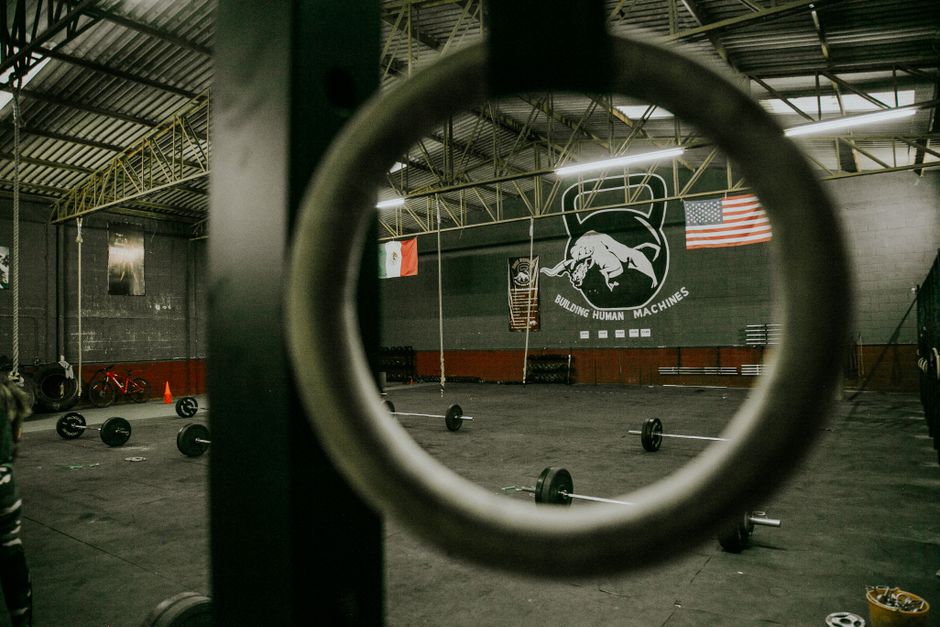
What does the rulebook say about scheduling and rest?
Rulebooks from major sanctioning bodies and athletic commissions underscore the importance of fighter safety, including health checks and mandated rest periods post-fight. But when it comes to scheduling promotional events like open workouts and face offs, there’s considerable flexibility — resulting in a fight week calendar that prioritizes entertainment over recovery science.
Weight Cut Dehydration and Fragmented Sleep
There’s nothing quite like walking that knife-edge of weight cut day to disrupt biology. Severe dehydration — a staple of traditional weight cutting — causes a direct impact on physiology and sleep quality:
- Dehydration raises cortisol: That stress hormone spikes anxiety and disrupts melatonin production, making it harder to fall asleep.
- Electrolyte imbalance: Causes muscle cramps and restless legs, interrupting sleep cycles.
- Increased urination frequency: Leads to multiple awakenings throughout the night.
The result? Fighters often experience fragmented sleep in the crucial nights leading into a fight, compounding fatigue that the scale victory cannot erase.
Recovery tip: prioritize hydration with science-backed supplements
Many athletes turn to supplements to combat dehydration and rehydrate efficiently, but beware of vague claims like “you will sleep better instantly.” Always ask for batch lab reports or Certificates of Analysis (COA) before intake to verify composition and safety. Without this data, it’s supplement talk devoid of credibility.
Supplement Transparency: Why Batch Lab Reports and COAs Matter
In an industry riddled with quick-fix promises, batch lab reports provide a snapshot of exactly what is inside each supplement batch — reassurance that what’s listed on the label is accurate and free from banned substances. This level of transparency helps fighters avoid inadvertent doping violations and ensures the supplement aids recovery rather than hindering it.
Rehydration Night Physiology and Interruptions
Once the scale drama passes, fighters enter a critical rehydration phase. Fluids flood back into cells, electrolytes rebalance, and energy stores begin recovery. However, the combination of late weigh-ins, open workouts, and face offs often disrupts this window with:
All these factors disturb the natural physiological cascade needed for optimal sleep and tissue repair.
How to protect recovery during rehydration night
- Control light exposure: Use blue light-blocking glasses and dim settings post-event to cue melatonin production.
- Scheduled supplementation: Plan electrolyte and magnesium intake in timed doses verified by COA data to enhance cellular repair and nervous system calming.
- Limit stimulants: Avoid caffeine or excessive media interaction before bed.
- Design low-stress transition: Use breathing exercises or mindfulness minutes before lights out.
Time Zone Shifts and Circadian Disruption
Often neglected in fight week considerations is the effect of travel across time zones. Jet lag disrupts the circadian clock, resulting in impaired cognitive and physical function during critical days.
Open workouts and face offs often take place days after arrival, yet the circadian burden is rarely addressed in event planning, adding another layer of fatigue to the fighter’s burden.
Case Study: Open Workout Week With Time Zone Shift
To illustrate, here’s a real-world example from last year’s major MMA promotion fight week:
- Thursday (Day 1 in new timezone): Fighter lands late night, attempts sleep but is awake until 4 a.m. due to circadian misalignment.
- Friday morning: Light media day call; fighter struggles through interviews but forced to participate.
- Friday afternoon: Open workouts scheduled; moderate dehydration status but low energy.
- Friday night: Face-off event delayed, ending close to midnight; compounded fragmented sleep.
- Saturday: Weigh-in day — severe dehydration; fragmented sleep; quick rehydration post-weigh-in but light exposure remains high.
The fighter’s performance metrics during Saturday’s event were statistically lower than usual, proving the cumulative effect of the chaotic schedule and circadian disruption.
Embedded YouTube Interview: Recovery Tips from a Former Pro Boxer
In this clip, a former professional boxer shares actionable recovery tips for fight week — touching on sleep hygiene, hydration protocols validated by lab testing, and how to mentally navigate media rounds without burning out.
Summary: Protecting Recovery Amid the Fight Week Hype
Open workouts and face offs are essential elements to build fight hype and https://www.fightful.com/boxing/fight-week-the-sleep-problem-nobody-talks-about/ fan engagement — but not at the expense of fighter health and performance. Balancing recovery through fight week calendar management, hydration strategy backed by batch lab report-verified supplements, sleep prioritization, and circadian rhythm awareness can make all the difference.
- Advocate: Fighters and camps should push for better scheduling that respects recovery science.
- Investigate: Always inquire about supplement lab testing (batch reports/COAs) to avoid risks and enhance recovery reliably.
- Plan: Use sleep and hydration tools proactively, acknowledging the inevitable disruptions of fight week.
Only by respecting the intersection of physiology and production can fighters truly perform at their best come fight night.