
Picture this: It’s 5:30 PM on a Tuesday, you’re squeezed onto the Northern Line, and the train is stuck between stations. Five years ago, you’d be staring at the grime on the windows or doom-scrolling through social media. Today, you’re just as likely to see the person next to you tapping through a quick round of slots or checking in on a live blackjack table.
The shift in how we engage with mobile casino gaming isn’t just about better graphics; it’s about a fundamental change in the relationship between our downtime and our devices. The days of sitting down at a desktop computer, waiting for a bulky piece of software to load, and feeling tethered to a desk are well and truly behind us. We are living in a mobile-first world, and it’s finally catching up with the way people spend their leisure time.
The Death of the “Desktop-Only” Barrier
For a long time, the barrier to entry for online gaming was hardware. You needed a reliable PC, a decent internet connection, and the patience to navigate a clunky browser interface that hadn’t been updated since the mid-2000s. It was an activity that required a “setup.” You didn’t just play; you *prepared* to play. If you’re interested in how certain games can foster important skills, sprawdź Jakie tryby Roblox uczą cierpliwości i precyzji?.
The explosion of smartphone adoption changed the game. When your phone is already the most powerful computer you own—the one you use for banking, messaging, and ordering your lunch—using it for entertainment is a natural extension of your digital life. Because these devices are always in our pockets, the friction of “starting” a game has effectively evaporated. You aren’t logging on; you’re just checking in.
Micro-Entertainment: Gaming in the “In-Between” Moments
The most significant shift in mobile gaming demographics isn’t just about young, tech-savvy users. It’s about how middle-aged and older audiences are reclaiming the “dead time” in their days. Whether it’s waiting for a kettle to boil, sitting in a waiting room at the GP, or taking a quick lunch break, gaming has become a form of micro-entertainment.
Modern mobile casinos have cottoned on to this. They know you don’t have an hour to dedicate to a complex strategy game. Instead, they provide short-session experiences that respect your time. If you only have seven minutes before your next meeting, you want a game that loads instantly, offers a clear objective, and doesn’t demand your soul. The providers that get this right—those with snappy load times and intuitive navigation—are the ones winning over the broader audiences.
The UX Hurdle: Why Onboarding Matters
Let’s be honest: there is nothing more frustrating than an app that feels like a maze. I’ve reviewed dozens of mobile gaming platforms, and the ones that fail do so because they treat the user like a developer. If I have to jump through five different menus just to find the game I was playing yesterday, I’m deleting the app.

Responsive mobile UX is the baseline now. We expect:
- Biometric Login: FaceID or fingerprint scanning should be the standard. Entering a password every time is a relic of 2012.
- Streamlined Onboarding: If the KYC (Know Your Customer) process takes twenty minutes, you’ve already lost me. The best apps guide you through this with minimal friction.
- Touch-first design: Everything from the betting buttons to the menu sliders needs to be designed for thumbs, not a precise mouse cursor.
When an app is designed with the user’s thumb in mind, it bridges the age gap. A simplified interface makes the tech feel accessible live dealer mobile rather than intimidating, which is crucial for pulling in demographics who might have previously felt left behind by “nerdy” desktop software. Zastanawiasz się, czy gry po polsku są bardziej przystępne? Sprawdź czy gry po polsku na Switchu są bardziej przyjazne dla całej rodziny?.
Live Dealer and the Human Element
One of the biggest criticisms of early digital gaming was that it was isolating. You were playing against a machine, and often, it felt like it. The rise of live dealer games has completely dismantled that trope.
Streaming high-definition video of real human dealers to your mobile screen creates a social atmosphere that feels closer to a real-world setting than a digital one. It’s the difference between playing a game of solitaire and sitting at a table with other people. For many players, the live chat feature is a way to feel connected during a quiet evening at home. It turns a solitary activity into a communal, real-time experience. It’s the “local pub” feeling, but without the sticky carpets and the noise.
Comparison: The Desktop Legacy vs. The Mobile Reality
To understand why mobile is winning, we have to look at the differences in how we actually use these tools. It isn’t just about size; it’s about context.
Why “Broader Audiences” are Buying In
The stereotype that gaming is just for the youth is fading. As smartphone penetration hits almost 90% across most age groups in the UK, the “digital native” label is becoming less relevant. We are all digital now. Whether you are 25 or 75, your phone is the primary way you interact with the world.
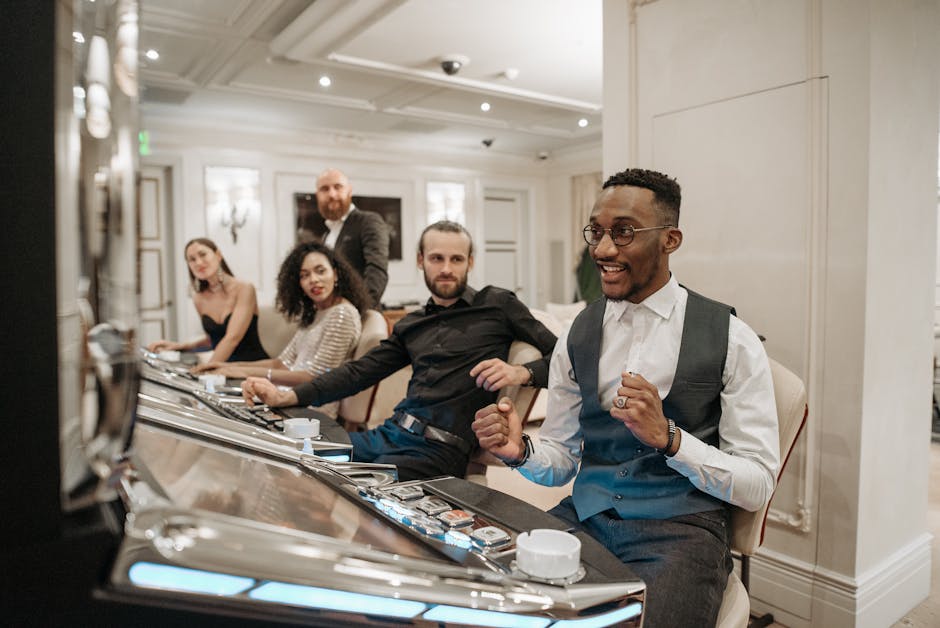
When gaming platforms stop using buzzwords like “omni-channel synergy” and start focusing on simple, reliable, and quick experiences, they remove the barriers of age. Older demographics, in particular, value reliability. If an app crashes or the interface is too busy, they are less likely to stick around. But if the app is clean, loads quickly, and feels like a natural extension of their phone’s operating system, it becomes a welcome part of their digital routine.
A Final Note on the Experience
The growth we are seeing in this sector isn’t magic; it’s just better design meeting the reality of our daily lives. People don’t want to be “gamers” in the formal sense—they just want to enjoy a few moments of entertainment that actually *works*.
If you’re a developer or a provider, take a page out of the consumer tech playbook: stop trying to pack every bell and whistle onto a five-inch screen. Prioritise the load time. Make the onboarding process boringly easy. And for goodness sake, make sure the buttons aren’t too small to tap. We’re all busy, we’re all on the move, and we all just want things to work when we’re stuck on the train.